
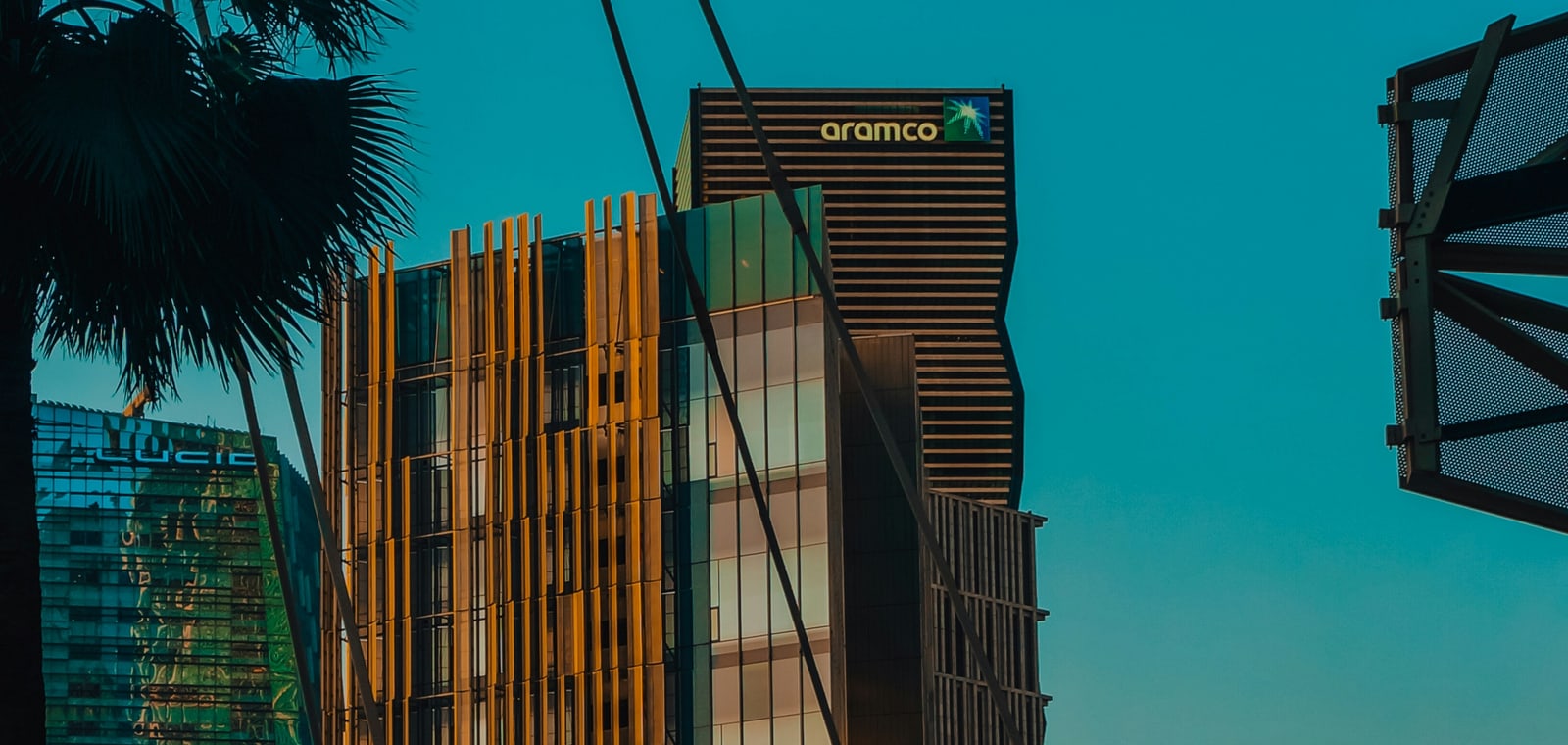
On Sunday, 8 November 2026, a Houthi missile attack on Riyadh damaged the Saudi Aramco building in the King Abdullah Financial District. Whenever Aramco is in the news, the first question in Pakistan is the same: will petrol go up? Here is what happened, how the oil market reacted, and what it means for fuel prices and business costs in Pakistan.
What happened in Riyadh
- Saudi Arabia's Energy Ministry said the Aramco building suffered minor damage from falling debris after what it called an "attempted attack". No one was injured.
- The Saudi-led coalition said its air defences intercepted two ballistic missiles fired by the Houthis towards Riyadh.
- The Houthis also claimed attacks on other Aramco sites, including Khurais. Saudi Arabia has not confirmed any damage there.
- Reports so far show no effect on Saudi oil production or exports.
This is not the first strike this autumn. In October, a Houthi missile hit an Aramco building in Dhahran, and Brent crude rose to about $106 a barrel. At the height of the tension, Brent touched about $114.
Why oil prices barely moved this time
On the day of the Riyadh attack, Brent crude was trading at roughly $95–98 a barrel — almost unchanged, and well below the $114 peak. Three reasons:
- An office tower, not an oil field. The building hit is Aramco's office in Riyadh's financial district. No refinery, pipeline or export terminal was reported damaged, so no oil was lost.
- The missiles were mostly stopped. The damage came from debris after interception, not a direct hit on production.
- Markets look at supply, not headlines. Oil traders react to barrels lost. When an attack does not cut supply, prices often move only for a few hours.
The risk has not gone away. A strike that does hit production, or trouble for tankers in the Strait of Hormuz, would be a very different story.
Pakistan's fuel prices today
The government cut fuel prices with effect from 7 November 2026:
- Petrol: down Rs6.59 to Rs346 per litre
- High-speed diesel: down Rs4.25 to Rs378 per litre
- Kerosene (OGRA): Rs308.52 per litre
Prices are now revised every few days instead of every fortnight, so check the latest rate before you budget.
How Pakistan sets petrol and diesel prices
The pump price is not simply the price of a barrel of crude. OGRA's price notification breaks it into parts:
- The international price of the product (petrol or diesel), which moves with crude oil
- The rupee–dollar rate — fuel is imported and paid for in dollars
- Petroleum levy — a fixed amount per litre set by the government
- Inland freight margin — the cost of moving fuel across the country at one price
- Oil marketing company and dealer margins
So a jump in Brent reaches Pakistan only through the next price revision, and a weaker or stronger rupee can push prices up or down even when oil is flat.
A quick rule of thumb. One barrel holds about 159 litres. A $10 rise per barrel adds about 6.3 US cents per litre to the import cost, before the exchange rate, levy and margins are applied. That is why a small oil move often changes the pump price by only a few rupees, while a big move, or a weak rupee, is felt quickly.
What to watch in the coming weeks
- More attacks on oil facilities. Production damage, not office damage, moves prices.
- The Strait of Hormuz. A large share of Gulf oil passes through it; any disruption pushes freight and insurance costs up.
- The rupee–dollar rate. It matters as much as oil for Pakistan's pump price.
- The next government price revision. Prices now change every few days.
What businesses in Pakistan should do
Fuel is a direct cost for transport, delivery, manufacturing and anyone running generators. A few simple steps:
- Budget fuel with a buffer. Plan at today's price plus 10–15%, so a sudden rise does not break your monthly budget.
- Run a "what if" cash flow. See what happens to cash if diesel rises by Rs20 or Rs40 per litre for three months.
- Check your contracts. For delivery and transport contracts, a fuel adjustment clause lets you pass on large price changes fairly.
- Track cost per trip or per kilometre, not just the monthly fuel bill, so you see changes early.
If you want help building a fuel-price scenario into your plans, see our cash flow forecasting service.
FAQ
Will petrol prices go up in Pakistan because of the Aramco attack?
Not from this attack alone. Oil prices barely moved because no oil production was lost. Pakistan's next price depends on international fuel prices, the rupee–dollar rate and government levies at the next revision.
Was Aramco's oil production affected?
No disruption to production or exports has been reported. The damage was to an office building in Riyadh, caused by falling debris.
What is the petrol price in Pakistan now?
From 7 November 2026, petrol is Rs346 per litre and high-speed diesel Rs378 per litre. Prices are revised every few days, so check the latest notification.
Why does the rupee matter for petrol prices?
Pakistan imports most of its fuel and pays in dollars. When the rupee weakens, the same barrel costs more rupees, even if oil prices do not change.
Need help?
HLM Consultants helps businesses plan for cost shocks with budgets, cash flow forecasts and management reporting. Contact us to talk about your business.
Sources: Saudi Energy Ministry via CNN and Bloomberg (8 November 2026); Investing.com; Radio Pakistan and The Express Tribune (7 November 2026); OGRA notification effective 7 November 2026. Oil prices change quickly; figures are as of 8–9 November 2026. Cover photo: Ahmed Alghali on Unsplash. This post is general information, not investment advice.