
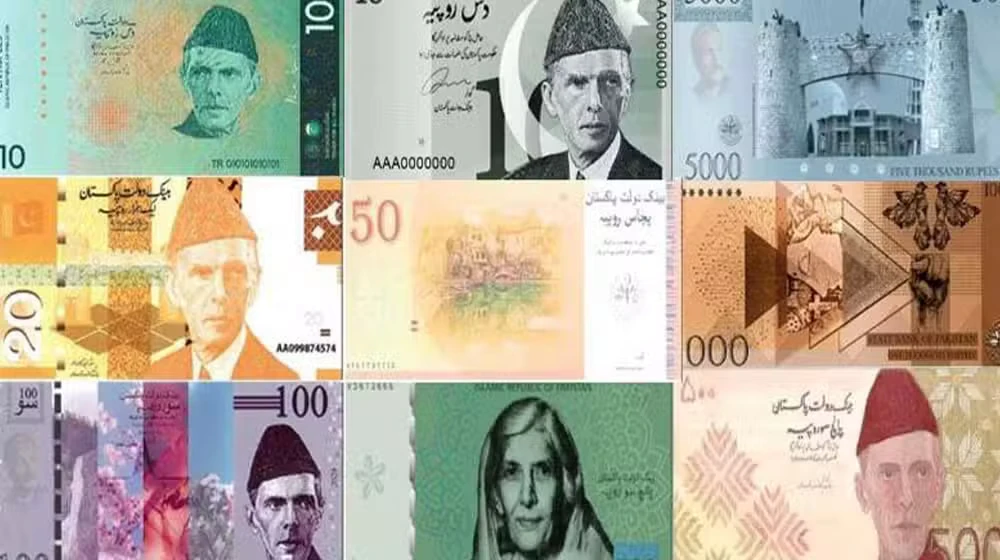
Pakistan's money is about to get its biggest update in years. On 4 November 2026, the Federal Cabinet approved new designs for the country's banknotes and agreed to replace the Rs10 note with a coin. The new notes will not reach your wallet tomorrow, but the decision starts a change every Pakistani will eventually handle.
Here is what was decided, what it means for you, and what has not been announced yet.
What exactly happened
The Federal Cabinet, chaired by Prime Minister Shehbaz Sharif, met on Wednesday, 4 November 2026. According to the Prime Minister's Office statement:
- The cabinet approved the designs for a series of new currency notes, on the recommendation of the Ministry of Finance.
- The designs came after consultations by a cabinet committee, with proposals invited from artists and designers across the country.
- The cabinet approved a Rs10 coin to replace the existing Rs10 banknote.
This follows a State Bank of Pakistan (SBP) proposal to drop the Rs10 note because it is expensive to keep printing.
What's changing
Based on the official statement and news reports, these are the key changes:
- Redesigned Pakistani rupee notes: reports say the new designs cover Rs50, Rs100, Rs500, Rs1,000 and Rs5,000 notes. The official statement did not list them, so the SBP's announcement will confirm the final list.
- Rs10 note to be replaced by a coin: The Rs10 note will be phased out over time in favour of a Rs10 coin. A Rs10 coin already exists; it was first issued in 2016.
- Stronger security features: the new notes will have enhanced security features to make counterfeiting harder.
- Modern materials: the notes will use advanced materials so that they last longer in circulation.
What we don't know yet: The SBP has not released the official designs. Any image on social media claiming to show "the new notes" should be treated with caution until the SBP publishes them.
Why this matters
1. Harder to fake. Counterfeit notes hurt shopkeepers, small businesses and ordinary people the most, because whoever ends up holding a fake note takes the loss. Better security features protect everyone in the cash chain.
2. Notes that last longer. Worn and torn notes are a daily frustration. Stronger materials mean fewer damaged notes and fewer arguments at the counter.
3. Real cost savings. The Rs10 note is a clear example. A currency-management report by the SBP and the Pakistan Security Printing Corporation, reported in February 2026, found that:
- a Rs10 note lasts on average only 6 to 9 months, while a Rs10 coin can last 20 to 30 years;
- moving to the coin could save an estimated Rs40 to 50 billion over 10 years.
Money not spent reprinting low-value notes is public money saved.
For ordinary citizens, the change will be gradual. Expect to see Rs10 coins in your change more often, and new-design notes alongside the old ones for a while.
Important clarification: your current notes are still good
- Existing notes are not being withdrawn now. Reports confirm there is no immediate withdrawal.
- Keep using your current notes as normal, including the Rs10 note. A note stays legal tender until the SBP officially announces otherwise.
- The SBP will announce the schedule for issuing the new notes and gradually withdrawing the old designs.
Be careful with viral messages. In September 2026, the SBP called social media posts about a Rs10 "exchange deadline" baseless. Always check dates and deadlines on the SBP's official website (sbp.org.pk) before acting on a forwarded message.
Timeline expectation
No release date has been announced. In August 2026, officials told the Senate finance committee that about one year would be needed to bring the new banknotes into circulation. Reports also say the rollout will be phased, so the SBP can first build enough stock.
A realistic expectation is that new notes start appearing over the coming year, while old notes keep circulating alongside them.
Closing thought
Currency is one of the most trusted things a state issues. Modern security features, longer-lasting notes and a lower-cost Rs10 coin are practical steps that bring Pakistan's cash in line with what many countries already use. For businesses, it is also a good moment to make sure cashiers and staff know how to check notes once the new security features are published.
Stay tuned
We will update this insight when the SBP releases the official designs and the rollout schedule.
What do you think of the change? Will a Rs10 coin work better than the note in your daily transactions? Share your thoughts with us on LinkedIn, or at info@hlmconsultants.com if your business needs help preparing for the transition.